Visiting Banff: My advice from first-hand experience
During my four years living in Western Canada, I had plenty of opportunities to explore Banff for myself. Here are the tips I now share with travellers – from how to improve your chances of spotting wildlife to the quieter corners I’d choose when you want to escape the crowds.

Expert tips for Banff holidays
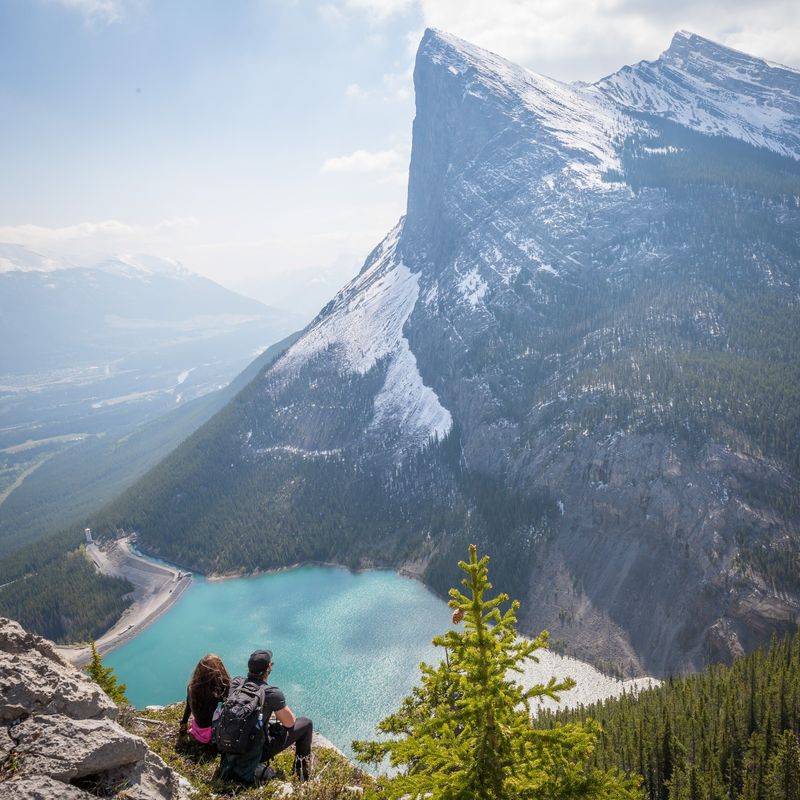
When I speak to travellers planning a trip to Western Canada, Banff is often one of the places already on their ‘must-visit list’, and for good reason. The iconic mountain scenery, panoramic viewpoints, and vivid blue waters of Lake Louise are often what draw people to the Canadian Rockies in the first place.
Of course, this level of popularity also means sharing some of the best-known beauty spots with many other visitors, especially during peak season. But I wouldn't let that put you off.
What I’ve learned over the years is that a little local insight can make a big difference. Whether that’s knowing when to head out to avoid the peak rush of crowds, how to improve your chances of spotting wildlife, or where to find quieter parts of the region, you can have a much more rewarding experience when you know where to look and plan ahead.
What wildlife can you spot around Banff?
There’s an abundance of wildlife in this part of Canada, and you can see a lot of native species in Banff if you’re lucky, including elk, deer, bighorn sheep and bears.
You can never guarantee a wildlife sighting, of course, but I can certainly suggest a few things you can do to stack the odds in your favour.


When's the best time to see wildlife in Banff?
Sunrise and sunset are always my preferred times of day for spotting wildlife. If you’re happy to get up early or head out again after dinner, your chances of seeing animals can be much higher.
If you’re planning your trip specifically around wildlife and have some flexibility over when you travel, autumn is one of my favourite seasons. Animals are particularly active at this time of year, with elk in rut and bears feeding up as they prepare for winter.
Where’s the best place to spot wildlife around Banff?
The Bow Valley Parkway is one of my go-to recommendations for wildlife enthusiasts.
It’s a side road that runs roughly parallel to the highway connecting Lake Louise with the town of Banff, and a designated wildlife corridor. The journey takes a bit longer, but that's part of the appeal. You can slow down, enjoy the scenery and keep an eye out for animals along the roadside and forest edge.
For me, it’s a much more enjoyable way to travel between the two. Seasonal vehicle restrictions currently apply on parts of the Parkway, so it’s worth checking before you set out. In spring and autumn in particular, some sections are closed to public motor vehicles as part of a cycling pilot. If you’re a keen cyclist, though, it’s a brilliant opportunity to enjoy this scenic stretch of road virtually traffic-free.
 © Travel Alberta / Robert Schrader
What are the best hikes around Banff?
One of my personal favourite walks in Banff National Park is the Hoodoos Trail. It’s a moderate hike with fantastic views over the Bow River and surrounding mountains, yet it tends to be overlooked compared to some of Banff’s more famous hikes. You don’t have to tackle the full route either, there are shorter sections and viewpoints you can enjoy if you’d prefer something less demanding.
Around Lake Louise, I’d also recommend the Big or Little Beehive hikes. Both are reached via the Lake Agnes Trail. Big Beehive gives you a fantastic view over Lake Louise from above, while Little Beehive looks out across the Bow Valley. In my opinion, getting up above the crowds gives you a better appreciation of the landscape than seeing it from the busy lakeshore. You can also stop at the Lake Agnes Tea House for a hot drink and freshly baked treats.
Johnston Canyon is another popular option, with its suspended walkways clinging to the canyon walls, but if you want my personal picks, then the Hoodoos and the Beehives would be high on the list.
My favourite activities in and around Banff
Banff by horseback
One of the more unique ways to experience Banff is on horseback. You can ride along the Bow River on a three-hour journey surrounded by stunning views of the national park.
There’s time to enjoy a cowboy cookout meal in the open air, look for wildlife, and maybe even try your hand at lassoing.


Hidden Kananaskis
When travellers tell me they want to experience the Canadian Rockies away from Banff’s iconic but busy highlights, I like to introduce them to Kananaskis.
In this remote part of Alberta, we work with a local guide who offers private tours that take you off the beaten path into this dramatic natural landscape, where you’ll enjoy a picnic overlooking the Kananaskis Lakes, and have plenty of opportunities to capture photos.
What’s the best way to see Lake Louise & Moraine Lake?
Lake Louise and Moraine Lake feature high on many visitors’ wish lists, but I wouldn’t say that means you should skip them altogether. Instead, take advantage of the fact that I’ve been there myself multiple times, seen the logistical challenges first-hand and can advise you on how to have the most relaxed experience.
Both lakes are incredibly popular, so this is one part of your trip where planning ahead really pays off. Parking at Lake Louise is notoriously difficult, and private cars aren’t permitted on the road to Moraine Lake at all. If you arrive without a plan, getting to both can quickly become more stressful than it needs to be.

Sunrise tour of Moraine Lake & Lake Louise
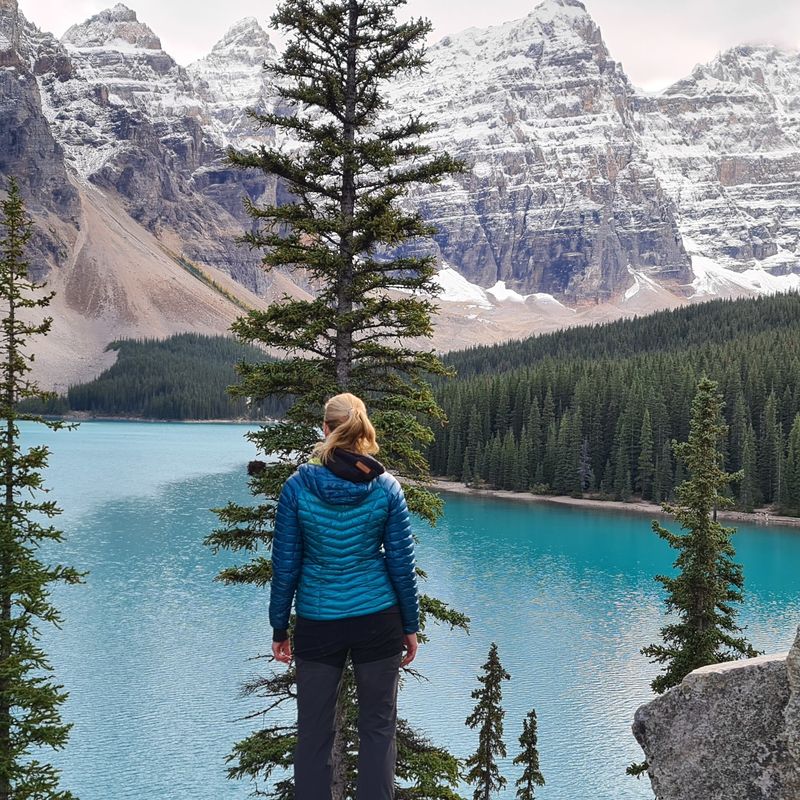
That’s why I often arrange for travellers to head out on a Moraine Lake and Lake Louise sunrise tour with one of our local partners. The seven-hour adventure takes care of the transport for you and gives you around 1.5 hours at each lake. So you have plenty of time to watch the sun rise over the surrounding peaks at Moraine Lake, wander along the shoreline at Lake Louise, hear stories from your guide, and enjoy those postcard views.
For me, it’s one of the most relaxed ways to experience both places. You remove the headache of worrying about parking or transport, arrive before the biggest crowds build, and still have plenty of time to appreciate two of the Rockies’ most famous landscapes.
How do you escape the crowds in Banff?
I’ll be honest, when you visit Banff, there’s almost always going to be some crowds. So my best advice? Don’t plan to spend all your time at the hotspots.
Instead, I'd venture beyond Banff and consider basing yourself in Canmore or Kananaskis during your trip. You still get dramatic scenery, brilliant hiking and plenty of opportunities to see wildlife, but with a fraction of the crowds.
For me, that makes it much easier to immerse yourself in nature, rather than simply moving from one busy viewpoint to the next.
 © Travel Alberta / Paul Zizka
Your questions about visiting Banff
In our experience, the biggest mistake is treating Banff like a quick photo stop rather than a busy mountain national park that needs careful planning. We usually recommend building in early starts, shuttle reservations for popular lakes, and enough time to slow down between the headline sights, rather than trying to squeeze Lake Louise, Moraine Lake and the Icefields Parkway into one rushed day.
The best way to avoid the busiest times in Banff is to visit during the shoulder seasons of spring and autumn, avoiding the peak summer months, start exploration days early, stay more than one night, and look beyond the most famous viewpoints. Instead, you should consider basing yourself in nearby Canmore or Kananaskis where you'll find similar scenery with far fewer visitors. In our experience, a quieter lodge-style stay, a guide who shares their local stories, or a lesser-known walk can make Banff feel far more personal.
Banff town is a good choice if you want restaurants, shops and easy access to tours, but a quieter base nearby can feel more relaxing, especially if you prefer space and slower days. We tend to match travellers with small-scale stays where the location adds something practical, such as convenient access to scenic drives, local host advice or a calmer retreat after a busy day outdoors.